Source Quick Dry Printed Jogger Pants for Sports, Racing, Cycling
Compare 30 listings of quick dry printed jogger pants from verified suppliers. Options include cotton, polyester, and nylon fabrics with custom logos and elastic waists for athletic and casual wear; compare the available evidence and request quotations based on your requirements.
Key considerations
Products List


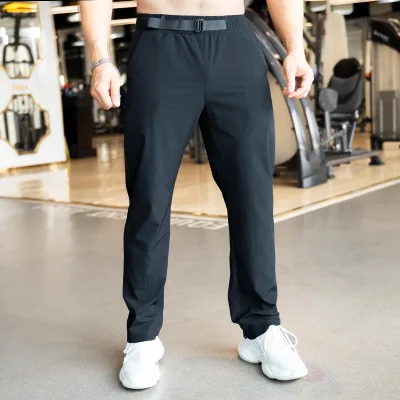


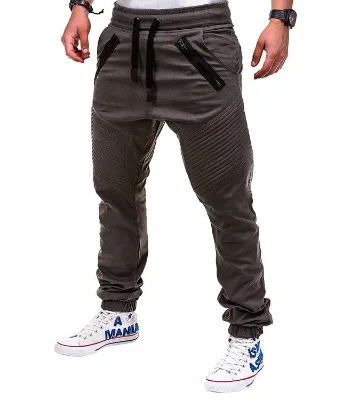
Comprehensive Sourcing Guide
Quick Dry Printed Jogger Pants Sourcing Guide
Sourcing quick dry printed jogger pants requires a strategic balance between performance fabric technology and aesthetic customization. These garments are primarily designed for athletic and casual wear, serving users who demand mobility and moisture management during activities like soccer, cycling, or general fitness training. The core appeal lies in the combination of synthetic materials, such as polyester or nylon blends, which facilitate rapid evaporation of sweat, paired with elastic waistbands that ensure a secure and comfortable fit. Buyers must recognize that "quick dry" is a functional claim that depends heavily on the specific weave and finish of the textile, rather than just the fiber content alone.
Procurement teams should also consider the versatility of the product style, which often bridges the gap between sportswear and everyday casual attire. The observed market includes variations in fit, ranging from straight cuts to shorter lengths, catering to diverse body types and style preferences. Customization options, such as printed logos and tailored pocket styles, are critical for brands looking to establish identity through apparel. Understanding these nuances helps buyers align their inventory with specific target demographics, whether they are targeting professional athletes who need high-performance gear or casual consumers seeking stylish, functional loungewear.
Product Scope and Observed Listing Signals
The current market landscape for jogger pants reveals a wide spectrum of product attributes that buyers must navigate carefully. Listings frequently highlight customization capabilities, allowing for tailored labels, logos, and specific pocket configurations, including side and back pockets. Common fabric choices observed include cotton blends for comfort and polyester or nylon for durability and moisture-wicking properties. Sizes range from standard small to extra-large, with some suppliers offering extended ranges up to 4XL, ensuring inclusivity for various customer bases. These signals indicate a mature supply chain capable of handling both small-batch custom orders and larger volume productions.
Price points and minimum order quantities (MOQs) vary significantly based on the complexity of the design and the material quality. Observed data suggests entry-level pricing can be quite competitive, with some items starting at low unit costs, though this often correlates with higher MOQs. Conversely, samples are frequently available for quality verification, sometimes with associated fees that may be credited against bulk orders. Lead times for samples typically range from one to two weeks, while production for bulk orders can take two to three weeks. Buyers should interpret these signals as indicators of a flexible manufacturing environment that supports both rapid prototyping and scalable production.
Technical Specifications to Verify
Verifying technical specifications is paramount to ensuring the final product meets performance expectations. Buyers must confirm the exact fabric composition, as materials like nylon and polyester offer different benefits regarding breathability, stretch, and drying speed. It is essential to request detailed fabric weight and weave information, as these factors directly influence the garment's durability and comfort. Additionally, the thickness of the material should be specified, with "normal" thickness being a common baseline for all-season wear. Understanding these material properties helps prevent discrepancies between the sample received and the bulk production, ensuring consistency in product quality.
Fit and construction details also require rigorous verification to avoid customer returns and dissatisfaction. Specifications such as waist design, typically elastic for joggers, and fit types, such as straight or short, must align with the brand's sizing chart. Buyers should also inspect the quality of stitching, particularly around high-stress areas like the pockets and waistband. The presence of features like printed logos or custom labels adds another layer of complexity, requiring confirmation of print durability and placement accuracy. Ensuring these technical details are clearly defined in the purchase order protects the buyer from receiving products that do not match the intended design or functional requirements.
Compliance and Safety Documentation
Compliance and safety documentation are critical components of the sourcing process, particularly for apparel intended for athletic use. Buyers must ensure that suppliers provide relevant test reports and certifications that verify the safety of the materials used, including the absence of harmful substances. While specific standards may vary by region, it is crucial to verify that the products meet local regulatory requirements for textile safety. This includes checking for compliance with restrictions on azo dyes, formaldehyde, and other chemicals that may be present in the fabric or printing inks. Proper documentation not only mitigates legal risks but also builds trust with end consumers who are increasingly conscious of product safety.
Furthermore, buyers should inquire about the supplier's adherence to environmental and social responsibility standards. Although not always explicitly stated in initial listings, many reputable manufacturers are committed to sustainable practices and ethical labor conditions. Requesting information about the supplier's quality management systems and production facilities can provide insights into their overall operational integrity. Buyers should also verify that the packaging materials used, such as polybags or cartons, are appropriate for the product and comply with any relevant environmental regulations. Ensuring comprehensive compliance documentation helps protect the brand's reputation and ensures smooth customs clearance in international markets.
Cost Drivers and Commercial Terms
Understanding the cost drivers associated with quick dry printed jogger pants is essential for effective budgeting and pricing strategy. The primary cost factors include the type and quality of the fabric, the complexity of the design, and the level of customization required. Materials like nylon and polyester can vary in price based on their origin and processing methods. Additionally, the cost of printing and logo customization can significantly impact the final unit price, especially for complex designs or small order quantities. Buyers should also consider the impact of packaging choices, as specialized packaging may incur additional costs but can enhance product presentation and protection during transit.
Commercial terms, including payment methods, shipping arrangements, and return policies, play a crucial role in the overall procurement experience. Buyers should negotiate clear terms regarding sample fees, which are often refundable upon placing a bulk order, and production lead times. It is important to clarify who is responsible for shipping costs and insurance, as these can vary depending on the agreed Incoterms. Additionally, buyers should establish clear communication channels with the supplier to address any issues that may arise during production or delivery. By carefully managing these commercial terms, buyers can minimize risks and ensure a smooth transaction process.
Supplier Qualification and Quality Control
Supplier qualification is a critical step in ensuring the reliability and consistency of the supply chain. Buyers should conduct thorough due diligence to verify the supplier's manufacturing capabilities, production capacity, and quality control processes. This includes assessing the supplier's experience in producing similar products and their ability to meet specific technical requirements. Requesting references or case studies from previous clients can provide valuable insights into the supplier's performance and reliability. Additionally, buyers should verify the supplier's certifications and compliance with industry standards, as these indicators of professionalism and commitment to quality.
Quality control measures should be implemented throughout the production process to ensure that the final products meet the agreed-upon specifications. Buyers should establish clear quality standards and inspection criteria, which can be verified through pre-production samples, in-process inspections, and final random inspections. It is also important to have a clear process for addressing defects or discrepancies, including procedures for rework or replacement. By implementing robust quality control measures, buyers can minimize the risk of receiving substandard products and ensure customer satisfaction. Regular communication with the supplier regarding quality issues can also help build a stronger partnership and improve future production runs.
Long-Term Procurement Checks
Long-term procurement checks are essential for maintaining a sustainable and efficient supply chain. Buyers should regularly review supplier performance metrics, including on-time delivery rates, product quality, and responsiveness to issues. This ongoing evaluation helps identify potential problems early and allows for proactive measures to address them. Additionally, buyers should stay informed about market trends and technological advancements in fabric and manufacturing processes, as these can impact product quality and cost. By staying ahead of these changes, buyers can ensure that their product offerings remain competitive and relevant in the market.
Building a strong relationship with suppliers is also crucial for long-term success. Open communication, mutual respect, and collaboration can lead to better pricing, improved quality, and more flexible terms. Buyers should consider investing in joint development projects or long-term contracts to strengthen these relationships. Additionally, buyers should regularly audit their supply chain for risks, such as geopolitical instability or natural disasters, and develop contingency plans to mitigate these risks. By focusing on long-term procurement checks, buyers can create a resilient and adaptable supply chain that supports their business growth and success.
FAQs
Can I customize the logo on quick dry printed jogger pants?
Yes, customization is available for these jogger pants. Buyers can request custom labels and logos to match their brand identity. The product page confirms that logo customization is a standard service offered by suppliers. This allows for unique branding on athletic or casual styles.
What fabric options are available for quick dry printed jogger pants?
Common fabric options include cotton, polyester, and nylon. These materials support the quick-dry functionality and durability required for athletic use. Suppliers offer various fabric choices to suit different comfort and performance needs. Buyers should specify their preferred material when requesting samples or bulk orders.
What is the sample lead time for quick dry printed jogger pants?
The sample lead time is typically within one to two weeks. This allows buyers to verify quality and fit before committing to large orders. Production time for bulk orders usually takes two to three weeks after sample approval. Early planning ensures timely delivery for seasonal sports apparel requirements.
Which sizes are standard for quick dry printed jogger pants?
Standard sizes range from S to 4XL, including specific options like 2XL and XL. Some products offer customized sizing standards to fit diverse body types. The fit is generally straight or short, suitable for athletic and casual wear. Buyers can select from a wide range of standard measurements.
How much does a sample cost for quick dry printed jogger pants?
The sample fee is EXW 50 USD. This cost covers the production and shipping of a single sample unit. Samples are available for evaluation to check quality, print, and fit. The fee is a standard practice to ensure serious buyer interest before bulk production begins.
What is the minimum order quantity for quick dry printed jogger pants?
The minimum order quantity ranges from 2 to 10,000 pieces depending on the supplier. Some suppliers allow a minimum of one sample for testing purposes. Bulk orders typically require higher MOQs to achieve competitive pricing. Buyers should confirm the specific MOQ with their chosen manufacturer.
Where are quick dry printed jogger pants typically manufactured?
These products are typically manufactured in China. Chinese suppliers offer extensive customization and competitive pricing for athletic wear. The origin ensures access to a robust supply chain for fabrics like polyester and nylon. Buyers can source directly from these manufacturing hubs for efficient logistics.